The Silk That Reached a Queen — The Story of "Camellia"
Silk came late to Nomura
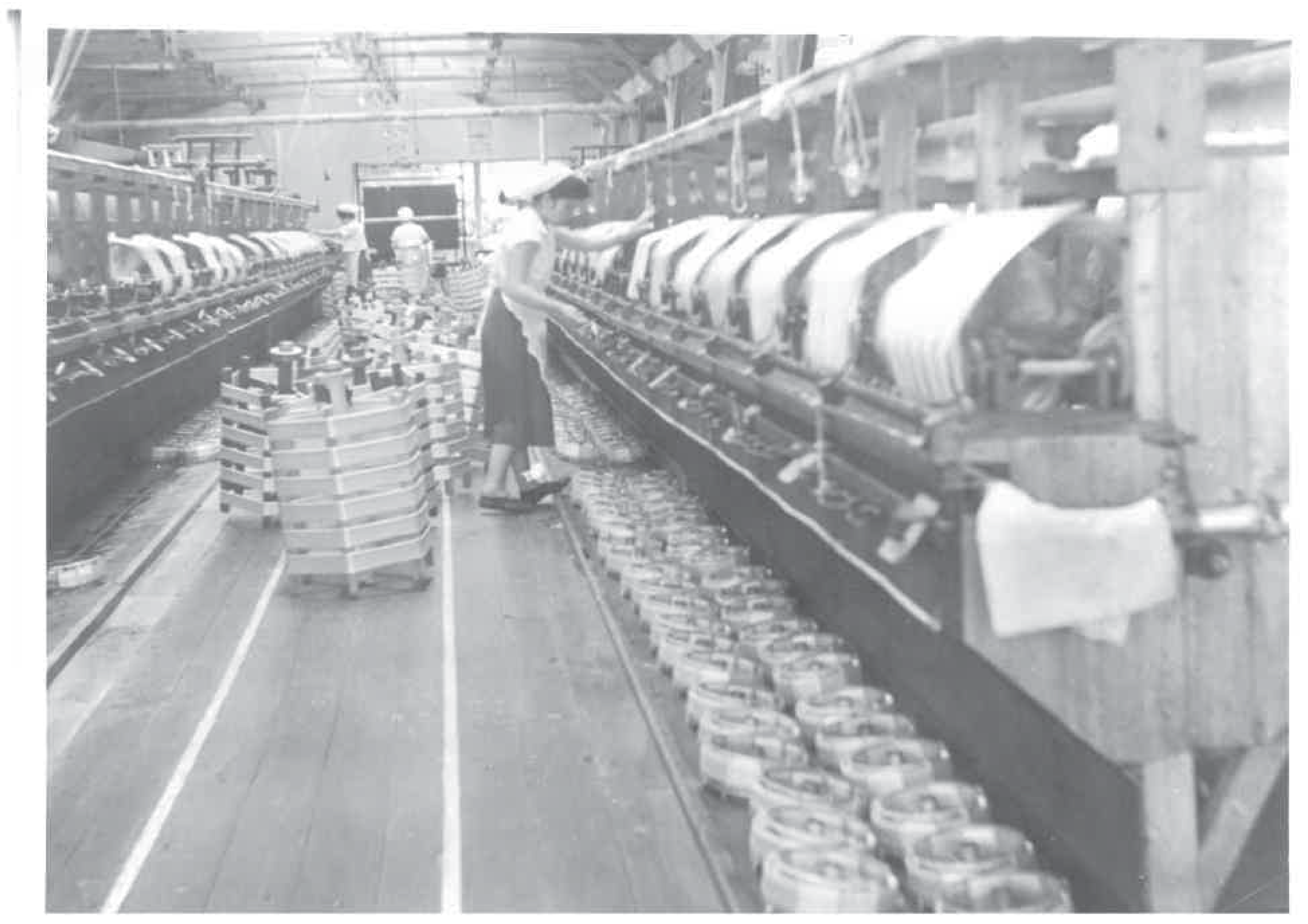
Sericulture in Nomura is not, in fact, especially old. It began in earnest only in the Meiji era (from the late 1800s). People grew mulberry, raised silkworms, and produced cocoons — and that quiet work gradually came to support the life of this town.
Then, in the early Shōwa era (around the 1930s), came a turning point: filature — the reeling of raw silk from cocoons — began here in Nomura. ["From Nomura's cocoons, raw silk."] With that long-held dream fulfilled, sericulture and silk-reeling together became the region's great industry.
"Camellia" — silk named for a white flower
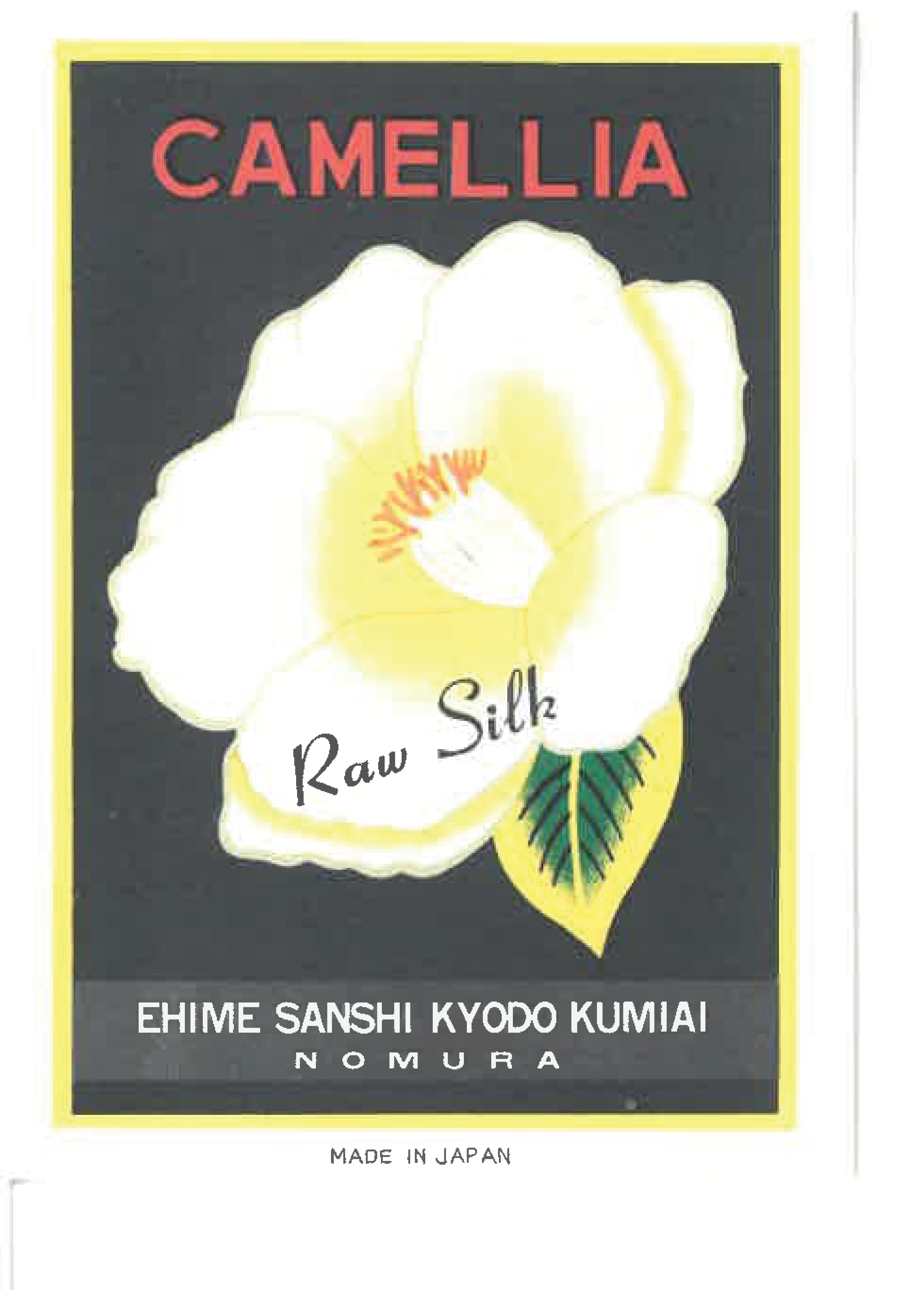
The raw silk made in Nomura was given a beautiful name.
"Camellia" — after the white camellia flower.
True to that name, Camellia silk was famous for being white, pure, and of the highest quality. The clear water of the Hijikawa River, devoted silkworm-rearing, and advanced reeling technique — where those three met, a thread was born with a luster like a pearl. Look at the sheen of the silk skeins in the photograph. This is the thread that Nomura sent out to the world.
Buyers came all the way from Switzerland
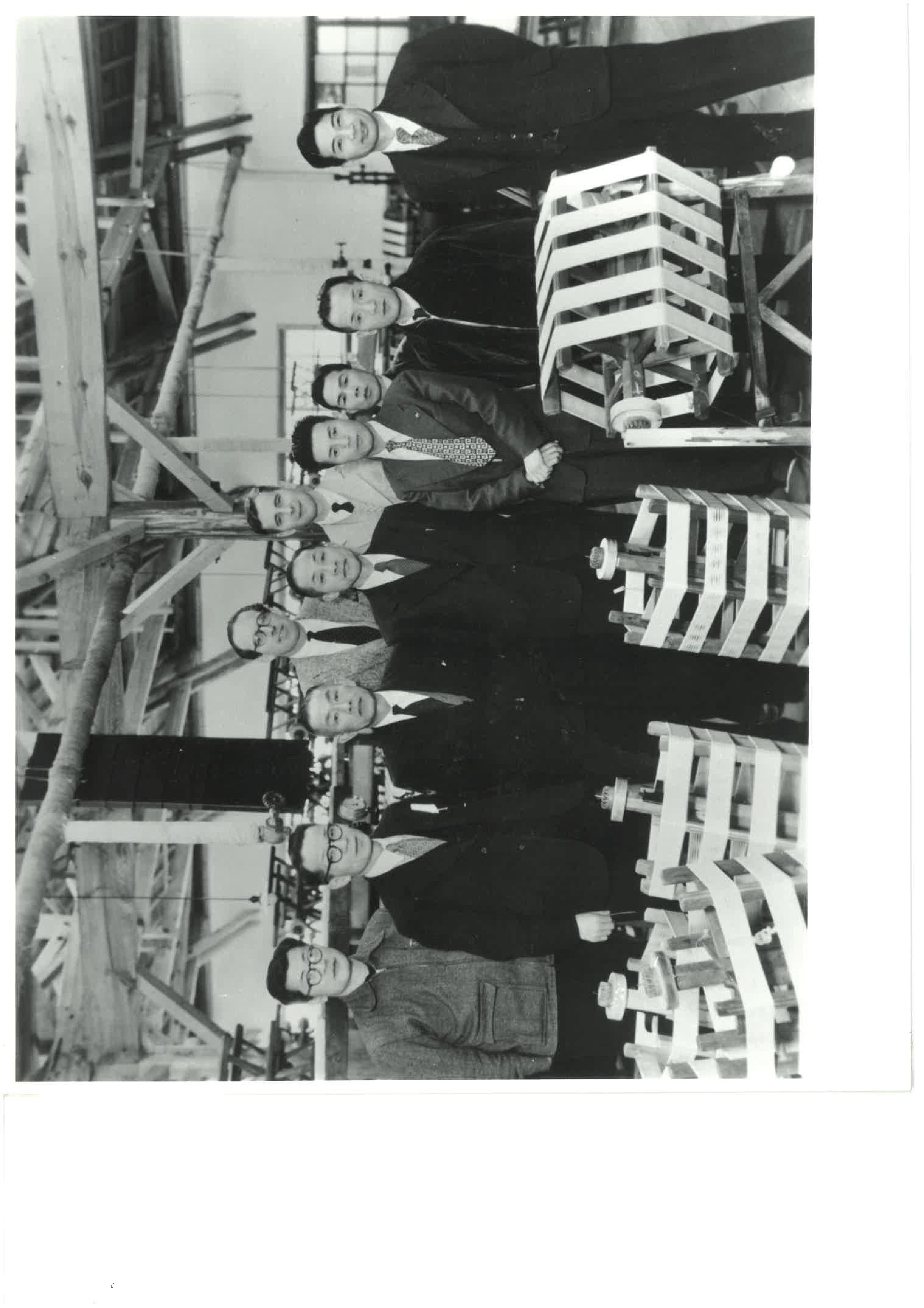
That quality did not stay within Japan.
In the late 1940s and 1950s — the poor, difficult years just after the war — buyers came to this little mountain town from across the sea, seeking the quality of Camellia. The gentleman in the photograph is a buyer from Switzerland, examining the thread at Nomura's silk-reeling mill, checking its quality with his own hands. A foreigner, standing in a small factory deep in the mountains of Shikoku — to the people of that time, it must have been a proud, and slightly wondrous, sight. Camellia was exported onward, to Europe and America.
And then, to a Queen's coronation
At the far end of Camellia's journey, an almost unbelievable story was waiting.
The British Royal Family. Nomura's raw silk crossed the sea. And that silk is said to have been used in the dress for the coronation of Queen Elizabeth II in 1953.
That historic ceremony, watched by the whole world. Part of the thread in the young Queen's garment had been born from silkworms here in Nomura, and reeled by the hands of the mill's women workers. The thought of it is deeply moving.
A pride that crossed the sea
Nomura — a small town ringed by mountains, in Shikoku. Its thread crossed the sea, crossed continents, and was recognized at the very summit of the world.
This is a pride built up by the hands of countless, nameless people — the farmers who grew the mulberry, the households that raised the silkworms, the women who reeled the thread. The white camellia truly bloomed on the world stage.
That tradition lives on today in the Nomura Silk Museum and in Iyo raw silk. The next time you see the shimmer of silk, please remember this proud story — that a thread from Nomura once graced the garment of a Queen.
ZEROSPHERE / The Keeper of Zero