How Do You Get a Hunting License in Japan? — The Road to a Trapping License
Last time, I wrote about why I started hunting — to protect the rice fields my friends and I had grown, and the children living nearby, from wild boar. But simply wanting to catch them doesn't mean you can.
In Japan, to capture nuisance wildlife, you first need a hunting license. So this time, I want to set down a record of how I actually went about getting mine. I hope it's useful to anyone thinking of doing the same.
There are four kinds of hunting license
We say "hunting license" as if it were one thing, but in Japan there are actually four types:
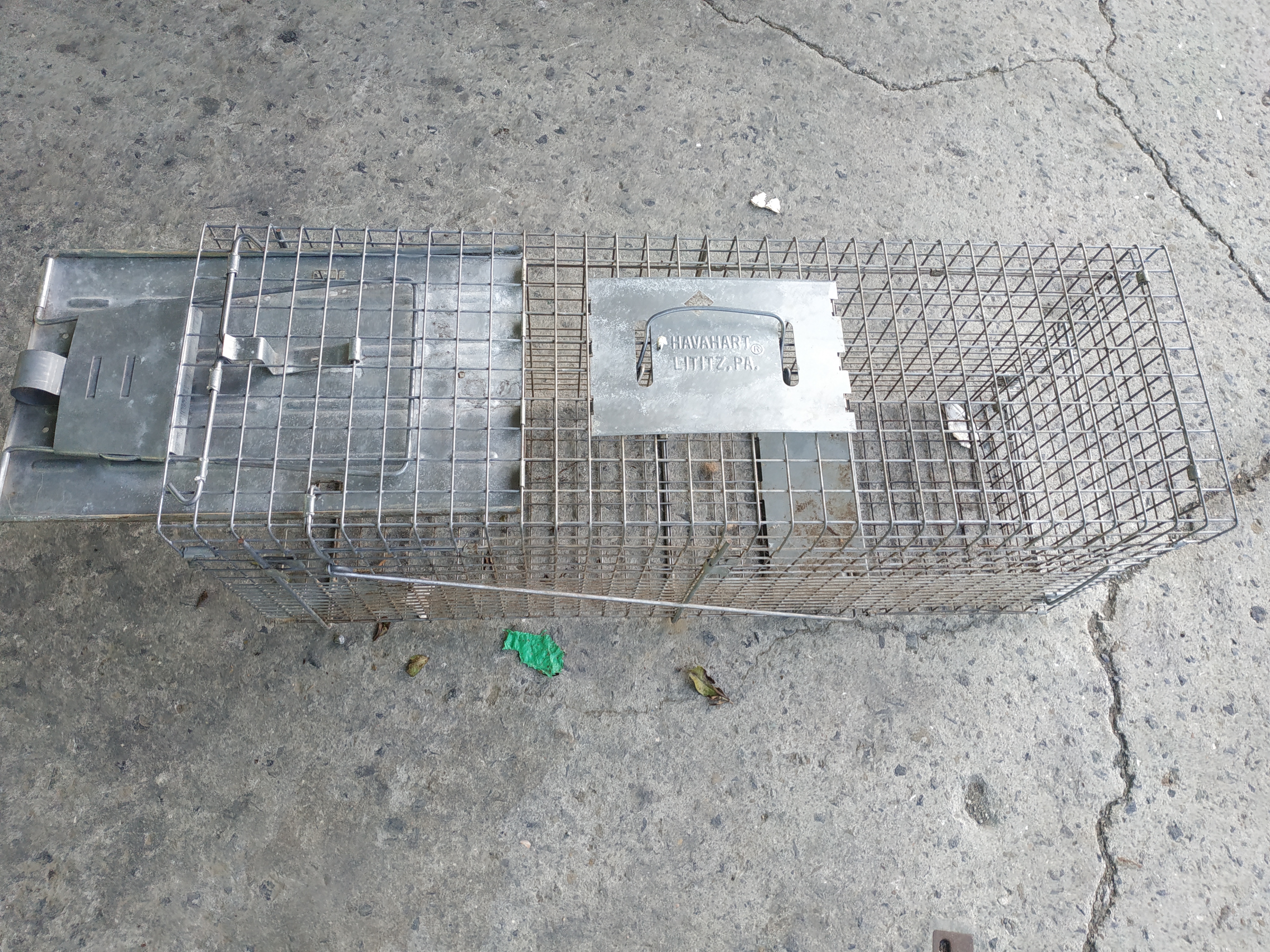
- Trap hunting license (snare traps, box traps, etc.)
- Net hunting license
- Class 1 firearms license (shotgun, rifle, air rifle)
- Class 2 firearms license (air rifle only)
The one I set out to earn was the trap hunting license.
My reason is straightforward: my hunting is not a hobby. My purpose is to catch the boar that tear up our fields, and to protect this community. For that purpose, traps were the right tool.
Applying, and the paperwork
First, you apply to sit the hunting license examination held by your prefecture — in my case, Ehime Prefecture.
What I needed: an application form, a photograph, and a doctor's medical certificate, among other documents. Hunting is a matter of safety, so you're required to submit paperwork confirming your physical and mental fitness. Documents assembled, I sent in my application.
About the beginners' course
Before the exam, there's a beginners' training course.
It carefully walks you through the laws around hunting, how to identify birds and animals, and how to handle the hunting equipment. Essentially, it's a chance to prepare for the exam.
Honestly? The dates didn't work for me, and I wasn't able to attend. But to anyone about to get their license, I strongly recommend taking the beginners' course. You'll sit the exam with far more confidence than studying alone — and more importantly, you'll build the foundations for hunting safely.
The exam has three parts
The hunting license examination breaks down into three sections.
One: the knowledge test (law, wildlife, equipment). You're asked which birds and animals may and may not be caught, and which devices are prohibited. There were even questions showing illustrations of animal tracks, asking you to identify the species.
Two: the aptitude test (eyesight, hearing, motor ability). This confirms you're physically and mentally capable of hunting safely.
Three: the practical test (setting traps, identifying wildlife). You have to assemble the trap gear with your own hands and get it to trigger properly. It isn't enough to understand it in your head — your hands have to move. This is the part that feels most distinctly like a trapping license.
And then, the license
Nerves behind me, the exam done — I passed, and earned my trap hunting license.
It's a single sheet of paper. But its weight was nothing less than the responsibility of protecting our fields.
An unexpected ripple — HUNTER BASE ZERO
There's an epilogue to this story.
"Apparently he went and got a trapping license." As word got around, one person, then another, started thinking, maybe I'll get one too.
The friends who gathered that way are now the members of ZEROSPHERE's hunting division, HUNTER BASE ZERO.
One person's small resolve, quite unexpectedly, widened into a circle of people protecting this place. When I got my license, I never imagined it.
The problem of nuisance wildlife is far too big for one person to carry. But with companions, what you can do grows — reliably.
As the Keeper of Zero, I want to keep widening that circle, little by little.
How to actually set the traps, and stories from real captures — those are for next time.
ZEROSPHERE / The Keeper of Zero